

Introduction
History of Solitaire
The game of Solitaire has a rich history that dates back to the late 18th century, originating from Europe. The term “solitaire” is derived from the French word for patience, reflecting the solitary aspect of the game. Solitaire’s first reference appeared in a book titled Illustrated Card Games of Patience, signaling its acceptance as a popular pastime.
Popularity of Solitaire Games
Fast forward to today, Solitaire has transcended its humble beginnings to become a beloved game worldwide. Its popularity can be attributed to several factors:
- Accessibility: Solitaire games are easy to learn and can be played by anyone, making it a favorite among all age groups.
- Various Formats: Players can enjoy Classic Solitaire, Spider, Freecell, and many more variations, appealing to diverse preferences.
- Digital Era: The rise of online platforms and mobile apps, like Solitaire Master, allows players to enjoy the game anytime, anywhere, enhancing its reach and engagement.
This classic card game continues to capture hearts, proving that sometimes, simplicity is the key to lasting enjoyment.

Understanding the Basics of Solitaire
Objective of Solitaire
The primary objective of Solitaire is to move all the cards to four foundation piles in ascending order, beginning with the Ace and ending with the King. It’s not just about moving cards; it’s about strategy and critical thinking, making it a rewarding mental challenge for players of all skill levels.
Setup of a Solitaire Game
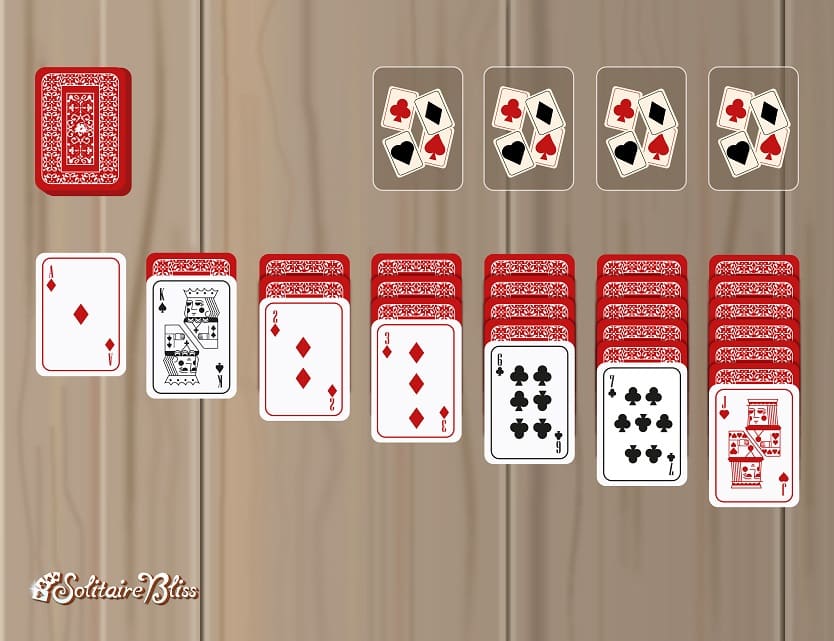
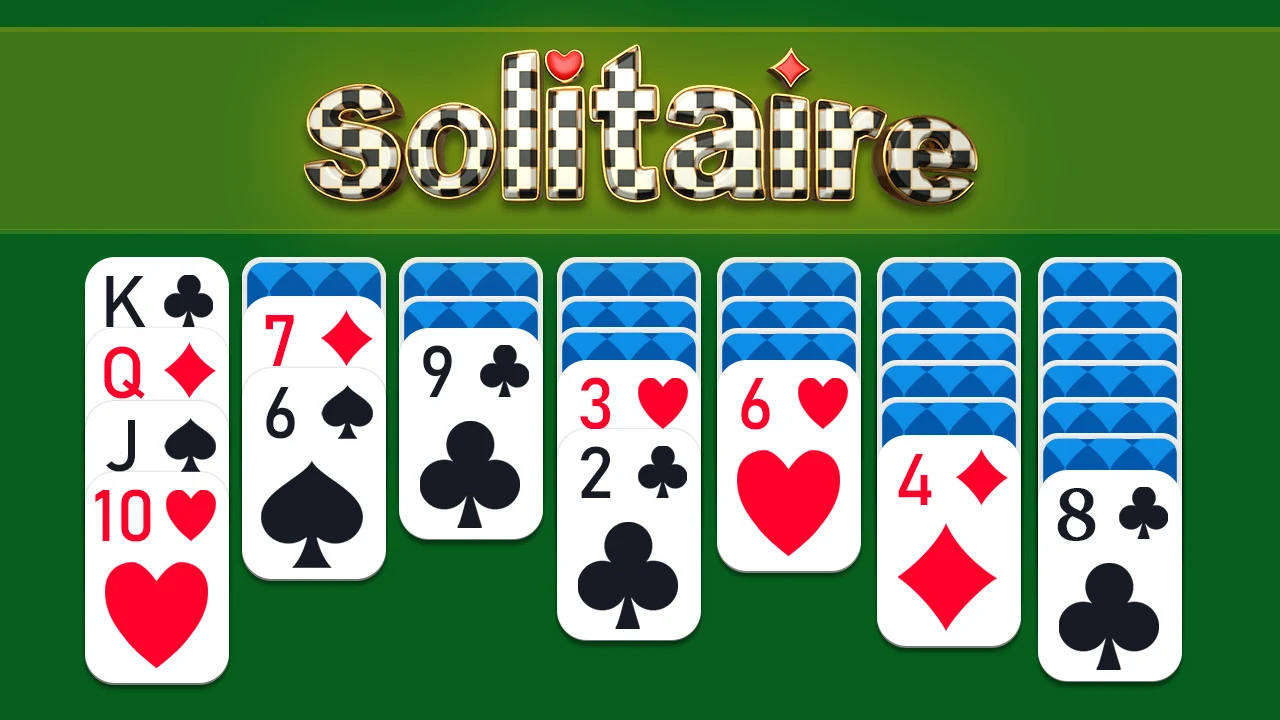
Setting up a game of Solitaire is quite simple but requires attention to detail. Here’s the standard setup:
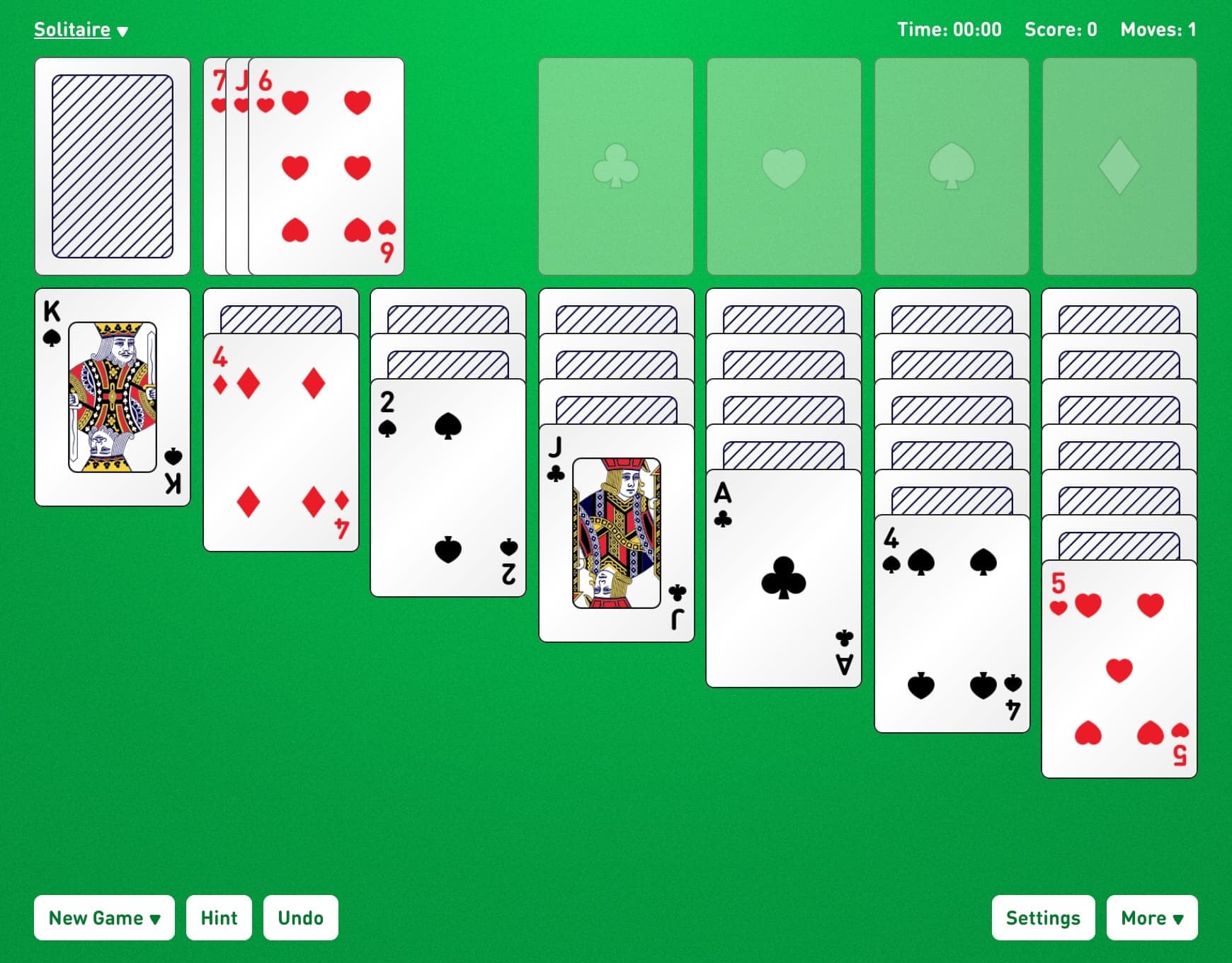
- Deal Cards: Shuffle a standard 52-card deck and deal 28 cards into seven tableau piles, with the number of cards incrementing left to right from one to seven.
- Foundation Piles: Leave space for four foundation piles where the goal is to stack cards by suit in ascending order.
- Stock Pile: The remaining cards form a stock pile, which players can draw from when they run out of moves on the tableau.
Types of Solitaire Games
Solitaire has evolved into numerous variations, each offering a unique twist on the classic format. Some popular types include:
- Klondike: The traditional form familiar to many players.
- Spider: A more challenging version that uses two decks and requires stacking cards in descending order by suit.
- Freecell: All cards are dealt face-up, and most hands can be solved with strategic planning.
- Pyramid: Cards are arranged in a pyramid shape, and players must match pairs to clear the pyramid.
These diverse types ensure that there’s something for everyone, whether you’re a beginner or a seasoned player. Exploring these variations can add a refreshing twist to your Solitaire experience!
How to Play Solitaire
Rules of Solitaire
Understanding the rules of Solitaire is crucial for beginners and seasoned players alike. The classic version, commonly known as Klondike Solitaire, consists of several key components:
- Objective: Arrange all cards into four foundation piles, sorted by suit from Ace to King.
- Setup: Deal 28 cards into seven tableau columns, increasing from one to seven cards from left to right. The top card of each column is face-up, while the rest remain face-down.
- Moves:
- Move only face-up cards from the tableau.
- Cards must alternate colors, and a lower card must be played on a higher one.
- If a column becomes empty, a King or a group starting with a King can be placed.
These rules provide a structure that enhances strategic gameplay and decision-making.
Strategy Tips for Winning
Winning at Solitaire involves more than just luck; it requires strategy and foresight. Here are some tips that can help:
- Focus on Revealing Cards: Prioritize revealing face-down cards in the tableau. The more options you have, the easier it becomes to make decisions.
- Build Foundations Evenly: Try to distribute cards among the four foundation piles equally. This balance will help you avoid getting stuck with all cards of one color.
- Manage Stock Pile Wisely: Draw from your stockpile thoughtfully. Avoid using it too early in the game as it might cover important plays.
Following these strategies can significantly improve your chances of winning!
Common Mistakes to Avoid
Even seasoned players can fall prey to common pitfalls. Here are some mistakes to watch for:
- Ignoring Potential Moves: Always examine your tableau for available moves even if it means taking a step back to reveal hidden cards.
- Moving Cards Prematurely: Hold off on moving cards to the foundation until you’re sure it’s beneficial. Sometimes, it’s better to keep cards in the tableau for flexibility.
- Neglecting the Waste Pile: Don’t forget about the importance of the waste pile for uncovering additional playable cards.
By recognizing these mistakes and employing some strategic foresight, players can enhance their Solitaire experience and cultivate their skills more effectively.
Variations of Solitaire
Klondike Solitaire
Klondike Solitaire is the quintessential version most people think of when they hear “Solitaire.” Played with a standard deck of 52 cards, the objective is to build four foundation piles, one for each suit, arranged from Ace to King. The tableau consists of seven columns with varying numbers of face-down and face-up cards, encouraging strategic thinking and careful moves.
- Gameplay: Players can move cards between tableau columns while adhering to color and sequence.
- Accessibility: Klondike is widely available on most computer systems and mobile devices, including the popular app Solitaire Master.
Spider Solitaire
For those seeking a more challenging experience, Spider Solitaire is perfect! This variation utilizes two decks and requires players to build complete sequences of cards in descending order, from King to Ace, of the same suit.
- Columns: The game features eight columns, and players can move cards in groups as long as they maintain the descending order.
- Difficulty Levels: Spider Solitaire allows players to choose from one, two, or four suits, with one suit providing a beginner-friendly approach.
Freecell Solitaire
Freecell is unique in that all cards are dealt face-up, providing players with complete visibility of their options from the start. Building foundations remains the ultimate goal, but with a twist.
- Strategic Moves: Players must utilize four free cells to temporarily hold cards, offering a new layer of strategic depth.
- Winnability: Approximately 95% of Freecell games are solvable, making it a favorite among logic puzzle enthusiasts.
Pyramid Solitaire
Pyramid Solitaire adds a twist by arranging cards in a pyramid shape. The goal is to remove pairs of cards that total 13.
- Card Combinations: Aces are worth one, while Kings are worth thirteen, making for interesting combinations throughout the game.
- Puzzles to Enjoy: This variation allows for engaging gameplay that can keep players entertained for hours.
Each variation of Solitaire offers its own set of rules and challenges, ensuring that players can always find something suitable for their mood and skill level. Whether you prefer the classic Klondike or the complex beauty of Spider, there’s a Solitaire game out there for everyone!

Benefits of Playing Solitaire
Cognitive Benefits
Playing Solitaire is not just a fun pastime; it can also bolster cognitive functions. Engaging in this card game stimulates brain activity as players strategize, plan moves, and solve puzzles. Some key cognitive benefits include:
- Problem-Solving Skills: Players must think critically and find solutions to complex arrangements of cards.
- Memory Enhancement: Remembering card locations, sequences, and moves can help improve memory over time.
- Logical Thinking: The need to determine the next best move fosters logical reasoning and forethought.
Relaxation and Stress Relief
In today’s hectic world, Solitaire serves as an effective tool for relaxation. Setting aside time to unwind with a game can lead to various mental health benefits:
- De-Stressing Activity: Focusing on the game can distract from daily worries, providing a mental break.
- Mindfulness Practice: The repetitive actions of moving cards can promote mindfulness, helping players remain present in the moment.
- Emotional Regulation: Completing games can provide a sense of accomplishment, contributing to improved mood and emotional stability.
Improvement in Concentration
The intricate nature of Solitaire also aids in improving concentration. By engaging with the game, players must remain attentive and focused, which can translate into better concentration abilities in daily activities. Here’s how:
- Attention to Detail: Players learn to spot potential moves and plan several steps ahead, enhancing overall focus.
- Task Management: Juggling the various elements of the game sharpens the ability to handle multiple tasks.
Incorporating Solitaire into a daily routine can have significant personal benefits, making it more than just a game. Finding time to play can enrich one’s cognitive abilities, enhance relaxation, and offer a chance to strengthen concentration skills. Whether through the online version or with physical cards, the rewards of playing Solitaire are plentiful!
Online Solitaire: Play Anytime, Anywhere
Evolution of Solitaire into Online Platforms
The transition of Solitaire from a physical card game to online platforms has transformed the way players engage with this classic pastime. With the advent of personal computers in the late 20th century, Solitaire exploded in popularity, especially with the inclusion of Microsoft Solitaire as a pre-installed application on Windows. This move not only introduced the game to a new audience but also set the stage for various online adaptations, allowing players to enjoy the game from their homes and beyond.
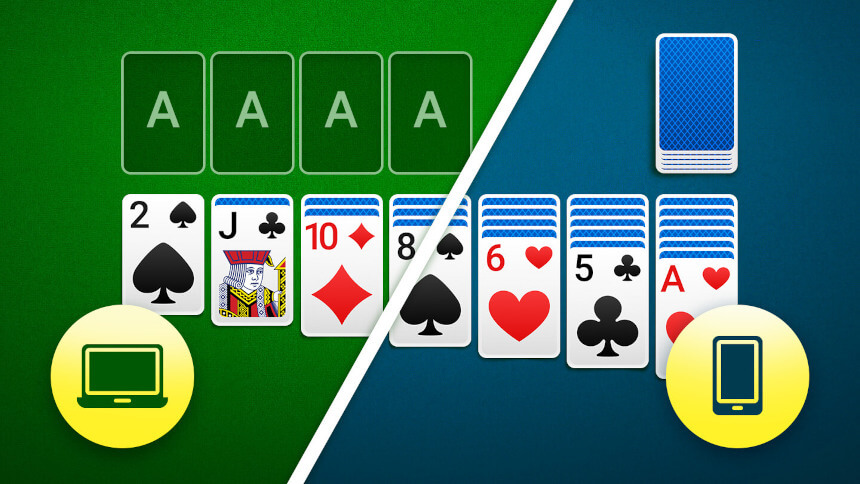
- Accessibility: Players can access Solitaire anytime and anywhere, whether on a computer, smartphone, or tablet.
- Variety: Online platforms have enabled the introduction of numerous variations, such as Spider and Freecell, attracting a wider audience.
Popular Online Solitaire Websites and Apps
If you’re looking to dive into the world of online Solitaire, there are plenty of popular apps and websites to choose from. Here are a few favorites:
- Solitaire Master: This app offers engaging gameplay with daily puzzles, numerous variations, and unique challenges—all for free! Its user-friendly interface makes it suitable for both beginners and experienced players.
- 247 Solitaire: A great website with a variety of Solitaire games, from classic Klondike to Pyramid, perfect for players wanting to play without downloading apps.
- Solitaire by MobilityWare: This app boasts a wide selection of Solitaire games, complete with tutorials for beginners and exciting daily challenges.
These platforms not only provide convenience but also allow for a vibrant community of players who appreciate the charm of Solitaire. Whether you’re on the go or relaxing at home, online Solitaire is just a click away, offering endless fun and mental exercise at your fingertips!

Mastering the Game: Advanced Strategies
Advanced Tips for Winning
To truly excel at Solitaire, players can employ several advanced strategies that enhance their gameplay and increase their chances of winning. Here are some key tips:
- Prioritize Revealing Cards: Always aim to uncover face-down cards in the tableau first. The more cards you have visible, the more moves you’ll have at your disposal.
- Plan for the Stock Pile: Use your stock pile strategically. If you draw three cards (as is common in Klondike), consider the implications of each card before making moves.
- Avoid Excessive Moves to the Foundations: While it’s tempting to move cards to the foundations as soon as they’re available, it’s often wiser to keep versatile cards in the tableau until you’re ready to finish sequences.
Implementing these strategies can significantly improve your success rate and turn frustrating games into victorious ones!
Skills to Develop in Solitaire
Mastering Solitaire isn’t just about knowing the rules; it involves developing essential skills that can aid not only in gameplay but also in everyday problem-solving:
- Critical Thinking: Evaluate possible moves by thinking a couple of steps ahead. Always consider potential consequences and alternate routes.
- Patience and Focus: Good players often exhibit patience, ensuring each move is calculated. Taking your time can lead to better outcomes.
- Adaptability: The game may not always proceed as planned. Being flexible and ready to change your strategy is key.
By honing these skills, players can enjoy more than just a game; they cultivate mental agility and strategic thinking that translate well beyond the card table! Whether new to the game or looking to refine your techniques, these insights will help you on your path to Solitaire mastery.
Solitaire for All Ages and Skill Levels
Solitaire for Beginners
If you’re just starting your Solitaire journey, don’t worry—this classic card game is highly accessible and enjoyable! Here’s what beginners need to know:
- Simple Setup: Start by dealing 28 cards into seven tableau piles, increasing from one to seven.
- Understanding the Moves: Focus on moving face-up cards and try to reveal hidden cards in the tableau.
- Goal: Your main aim is to transfer cards to the four foundation piles, ordered from Ace to King.
Beginners can find solace in games like Solitaire Master, which offers tutorials and easy gameplay.
Solitaire for Intermediate Players
Once you’ve grasped the basics, it’s time to refine your skills. Intermediate players can explore strategies and variations to enhance their gameplay:
- Utilize Stock Piles: Start incorporating moves from the stock pile more thoughtfully to maintain the flow of your game.
- Practice Variations: Try out different modes like Freecell or Spider for a varied experience and to challenge your strategic thinking.
- Strategic Planning: Focus on making moves that optimize the number of face-up cards revealed.
This level of play is perfect for developing a deeper understanding of game dynamics.
Solitaire for Experts
For seasoned players, the world of Solitaire offers endless possibilities. Expert players are encouraged to adapt their strategies further:
- Advanced Tactics: Develop a game plan that involves multiple moves ahead, anticipating the best use of the stock pile and tableau.
- Time Trials: Challenge yourself by setting time limits or competing against others to increase the pressure and enhance your decision-making speed.
- Participate in Tournaments: Engage in online competitions to test your skills against top players and learn from their strategies.
At this level, players can truly master the game’s complexities while enjoying its mental benefits.
Solitaire is a game that transcends age and skill level, making it a versatile choice for players everywhere. Whether you’re just starting out or looking to challenge yourself, there’s a version of Solitaire that suits your needs!

Social Benefits of Solitaire
Connecting with Others through Solitaire
While Solitaire is often perceived as a solitary game, it can actually foster connections among players. Many people enjoy sharing tips, strategies, and even their successes within the community. Engaging in friendly discussions on platforms or social media about completed games or intriguing puzzles can create sense of camaraderie.
- Online Communities: Platforms like forums or social media groups are rife with passionate Solitaire players who exchange ideas and celebrate achievements.
- Family Bonding: Playing Solitaire together at home can become a shared activity, strengthening family ties.
- Friends Challenges: Many players enjoy challenging friends to see who can achieve the best scores or complete games faster, adding a competitive edge to this otherwise tranquil game.
Organizing Solitaire Tournaments
For those keen to elevate their Solitaire experience, organizing tournaments can be a thrilling way to bring players together. Here’s how tournaments can enhance the fun:
- Community Engagement: Tournaments can attract players from different backgrounds, encouraging a larger community to come together.
- Friendly Competition: Organizing a friendly competition creates excitement, motivating players to enhance their skills while enjoying the game.
- Recognition and Prizes: Offering prizes or recognitions for winners can spur interest. This could range from virtual badges to gift cards.
These social events not only celebrate Solitaire but also encourage friendships, community engagement, and fun competition. Whether played casually or competitively, Solitaire continues to unite players across generations and geographies.
Conclusion
Recap of the Enjoyment and Benefits of Playing Solitaire
In summary, Solitaire is not just a game; it’s a multifaceted experience that offers a plethora of benefits. From honing cognitive skills to providing a relaxing escape, players of all ages and skill levels can find joy in this timeless card game.
- Mental Stimulation: Improves logic and problem-solving abilities.
- Relaxation: Offers a peaceful way to unwind and de-stress.
- Social Connection: Builds community through shared interests and tournaments.
Whether you’re competing against a friend or enjoying a quiet moment alone, Solitaire offers something for everyone.
Encouragement to Keep Playing to Master the Classic
So why not keep playing? The more you engage with Solitaire, the more you’ll develop your skills and enjoy its intricacies. Practice makes perfect, and with each game, you’ll get a little closer to mastering this classic.
Dive back into Solitaire today, challenge yourself, and enjoy the endless charm this game has to offer! Whether through apps like Solitaire Master or traditional cards, the journey to mastery is filled with fun and excitement. Happy playing!
